
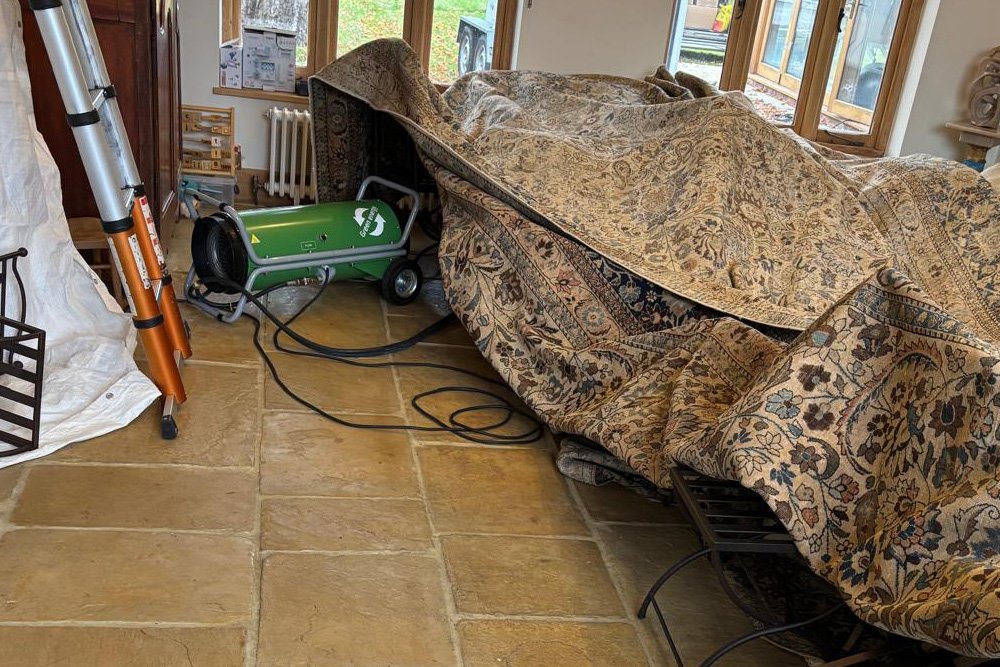

Bed bugs are having something of a moment in the UK — and not a good one. Pest control company Rentokil reported a 65% year-on-year increase in bed bug infestations between 2022 and 2023 CIEH, and things haven’t improved since. UK councils logged over 14,587 bed bug callouts in 2023 alone — a 23% rise on the previous year — with experts warning of even bigger increases driven by warmer summers, global travel, and modern housing patterns. Merlin Environmental
It’s a problem that’s affecting all kinds of homes, in all kinds of areas. Bed bugs don’t discriminate. They travel in on luggage, second-hand furniture, and clothing, and once they’re in, they spread fast.
The question most people face once they realise they have an infestation is: what’s the best way to get rid of them? There are a few options on the table, and the differences between them — in terms of cost, effectiveness, and disruption — are worth understanding before you make a decision.
The Traditional Approach: Chemical Treatment
Chemical sprays have been the go-to for decades, and they’re often the cheaper option upfront. A basic chemical treatment will generally cost less than a professional heat treatment, which makes it understandably appealing when you’re already stressed about an infestation.
The problem is that cheap doesn’t always mean cost-effective.
The British Pest Control Association’s Technical Manager, Natalie Bungay, has warned that bed bugs are becoming increasingly resistant to insecticides, making it much harder for pest controllers to fully eliminate infestations (according to CIEH). This isn’t a fringe concern — it’s a growing reality that’s affecting treatment outcomes across the country.
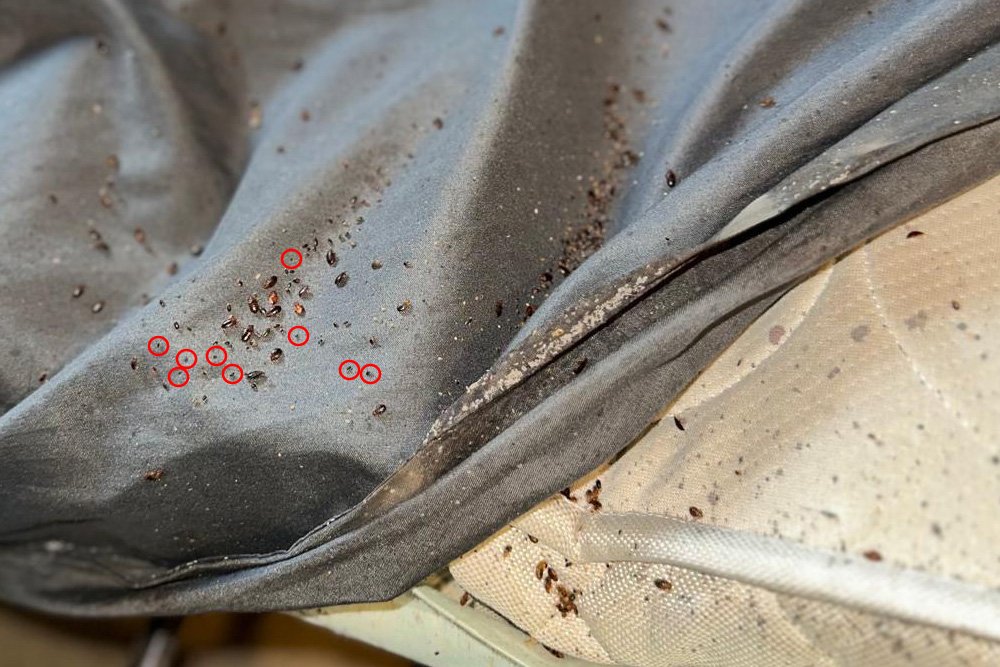
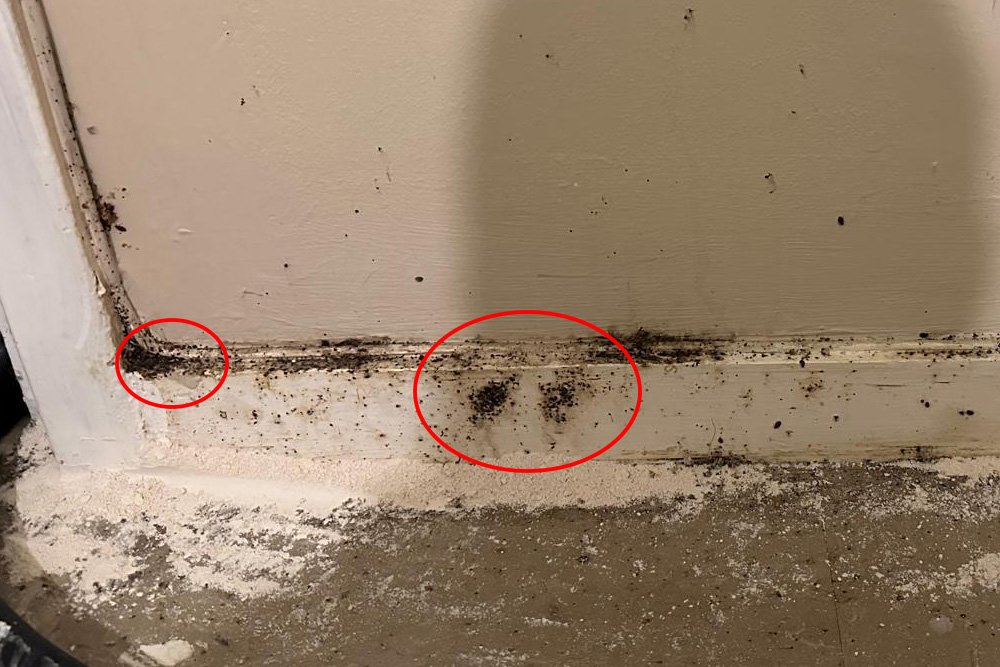
Chemical sprays also rely on direct contact to work. They can’t reach into the places bed bugs actually hide — deep inside mattress seams, behind skirting boards, inside furniture joints, and within wall cavities. Hidden pests often survive, re-infestations are common, and multiple visits are frequently needed before the problem is resolved (ThermoPest).
When you factor in the cost of two, three, or more follow-up treatments, plus the potential need to replace furniture that’s been heavily contaminated or exposed to repeated chemical application, the initial saving starts to look a lot less attractive.
What Heat Treatment Does Differently
Heat treatment works on a simple principle: bed bugs cannot survive sustained exposure to high temperatures. By raising the temperature of a room to between 50°C and 60°C and holding it there for several hours, every bed bug is destroyed — adults, nymphs, and eggs — at every stage of the life cycle.
Crucially, heat moves through the air and into the surfaces where bed bugs hide. It penetrates mattresses, reaches behind skirting boards, and gets into the cracks that a spray simply can’t access. There’s nowhere for them to go.
Unlike chemical treatments, heat is not affected by insecticide resistance. Laboratory and field evidence shows that sustained exposure above lethal temperature thresholds results in complete mortality of bed bugs and eggs. The effectiveness of a professional heat treatment sits between 95% and 100%, compared to around 70% for a standard chemical treatment. That gap is significant — especially when you consider what the remaining 30% of a failed chemical treatment means in practice: bugs that survive, eggs that hatch, and an infestation that comes back.
The Cost Question
It’s fair to say that professional heat treatment costs more upfront than a single chemical spray. That’s true, and it’s worth acknowledging. But the comparison changes considerably when you look at the full picture.
Chemical treatment may need to be done three or more times before an infestation is fully dealt with. Each visit costs money. Each visit also means more disruption to your home and routine. And each visit carries the risk that resistant bugs will simply move deeper into your property to avoid the chemicals, making the problem harder to solve.
Heat treatment, when carried out correctly by a certified professional, is typically a single-visit solution. You pay once, the infestation is dealt with, and you can return to your home the same day. There are no chemical residues to worry about, no need to replace furniture that’s been chemically treated, and no repeat bookings to manage.
For most households, the long-term maths makes heat treatment the more sensible investment — not the more expensive one.
Is It Safe?
One of the questions people often have about heat treatment is whether it’s safe for their home and belongings. The answer is yes, with a small number of exceptions. Items like aerosol cans, certain battery-operated devices, and wax-based products should be temporarily removed, and a professional technician will advise you on exactly what to take out beforehand.
Everything else — mattresses, furniture, bedding, clothing, electronics — is fine. Once the treatment is complete and the room has cooled, it’s immediately ready for use, with no chemical residue and no waiting period.
It’s also worth noting that heat treatment is particularly well suited to homes with young children, pets, or anyone with respiratory conditions or chemical sensitivities. There’s nothing left behind once the job is done.
Why Acting Quickly Matters
One thing that comes up consistently in advice from pest professionals is the importance of acting early. Bed bugs reproduce rapidly — a single female can lay hundreds of eggs over her lifetime — and a small problem can become a large one within weeks.
DIY chemical attempts can actually spread insects further and worsen resistance problems, making professional intervention more difficult further down the line. If you suspect an infestation, getting a professional assessment sooner rather than later is always the right call.
Pest control companies across the UK have recorded a significant year-on-year rise in bed bug call-outs, with more sightings, more confirmed infestations, and more households affected compared to previous years. The trend isn’t going away — but with the right treatment, your home can be.
The Bottom Line
Chemical treatments have their place, and in some situations a combined approach may be appropriate. But if you’re looking for a solution that works first time, leaves your home safe and chemical-free, and gives you real certainty that the infestation has been fully dealt with, professional heat treatment is the stronger option.
It costs more at the outset. But when you weigh that against the very real possibility of multiple failed chemical treatments, ongoing disruption, and the stress of a problem that keeps coming back, it’s not hard to see where the value lies.
Bug Blitz by Destrodent provides professional bed bug heat treatment in Surrey, including Guildford, Woking, Farnham, Reigate, Camberley, Weybridge, Dorking, Cobham, Esher, Walton-on-Thames, Hersham, Epsom, and Redhill. Get in touch today for a free consultation.