

If you’re looking into heat treatment for bed bugs, one of the first things you’ll want to know is how much of your day it’s going to take up. The honest answer is that it varies — but for most homes, you’re looking at a full day’s work, and you’ll be able to return the same evening.
Here’s a clear breakdown of what’s involved and what affects the time.
The Short Answer
Most bed bug heat treatments are completed within four to eight hours, depending on the size of the property and the severity of the infestation. ThermoPest For larger homes or more serious infestations spread across multiple rooms, it can run closer to the top of that range. Either way, the vast majority of people leave in the morning and are back in their home by the evening.
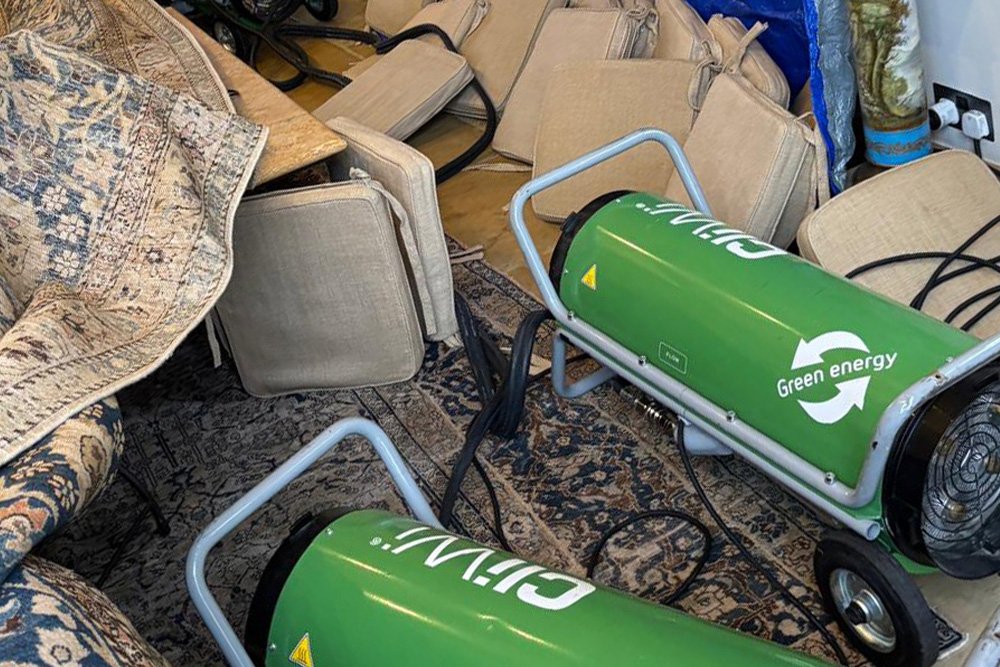
What Actually Happens on the Day
Understanding why the treatment takes as long as it does helps set the right expectations.
The process isn’t just a case of turning on a heater and waiting. The room needs to reach a temperature that kills bed bugs at every stage — eggs included — and that temperature needs to be sustained long enough to penetrate every surface, crack, and piece of furniture in the space. Rushing it is the most common reason an infestation comes back.
A typical treatment breaks down into roughly three phases: set-up, which takes one to two hours and involves positioning equipment, opening drawers and wardrobes, standing mattresses on their sides, and placing temperature sensors inside mattresses and furniture; the main heating phase, where the room is brought up to temperature and held there; and a cool-down period at the end before you can return. ThermoPest
Bed bugs take at least 90 minutes to die once the temperature reaches 50°C Bedbugbbq, but the room itself needs time to reach that temperature evenly — including inside furniture, within mattress seams, and behind skirting boards. The heating phase accounts for the bulk of the time.
What Affects How Long It Takes
Several things can make a treatment take longer than average.
The size of the property. A one-bedroom flat can be treated more quickly than a four-bedroom house. More rooms mean more equipment, more time to heat everything evenly, and more ground to cover.
How far the infestation has spread. Heavy infestations that have spread across multiple rooms may require longer treatment times and attention to adjoining spaces to prevent bugs from simply moving to an untreated area.
How cluttered the rooms are. Clutter blocks airflow and slows down how quickly heat can circulate and penetrate the room. A bedroom with a lot of furniture, boxes, or belongings stored under the bed takes longer to treat than one that’s relatively clear.
The age and construction of the property. Thick walls, concrete floors, and heavy masonry absorb heat rather than conducting it, which means the equipment has to work harder and the treatment needs to run for longer to achieve the right temperature throughout.
Older properties in particular can take more time than newer builds.
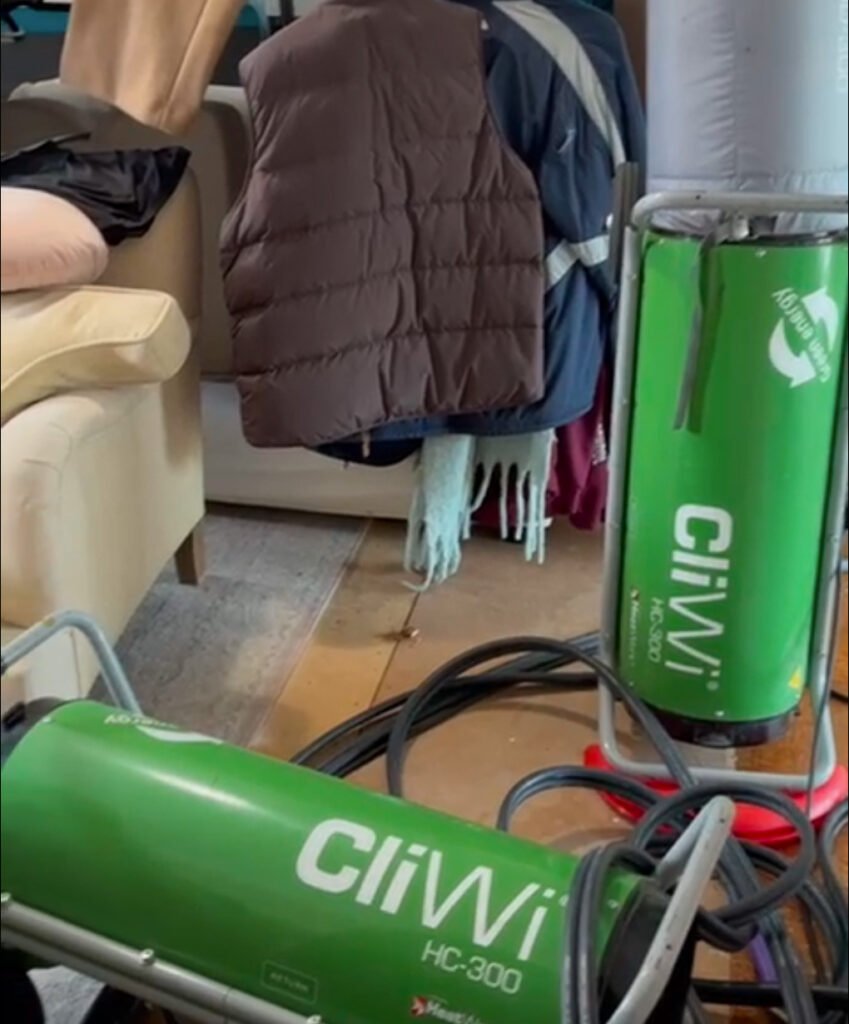
Do You Need to Leave Your Home?
Yes. You need to vacate the property for the duration of the treatment — this applies to everyone in the household, including pets. The temperatures involved are far too high for people or animals to remain inside safely.
Most people are able to return safely the same evening, once the property has cooled to a comfortable temperature. Unlike chemical treatments, there’s no waiting period once you’re back — no residue to allow time to settle, nothing to air out. The room is ready to use as soon as it’s cooled down.
Do You Need More Than One Treatment?
In most cases, no. This is one of the key advantages of heat treatment over chemical sprays. Because the heat reaches every part of the room — including eggs, which chemicals often can’t kill — a single properly carried out treatment is usually enough to clear the infestation completely.
Chemical treatments, by contrast, often require multiple visits and may still fail to kill eggs, leaving infestations to return weeks later. The time investment for heat treatment is concentrated into one day, rather than spread across several visits over a number of weeks.
What You Need to Do Before the Team Arrives
The treatment itself takes care of the hard work, but there are some things you’ll need to do beforehand to make sure it runs smoothly and safely.
You’ll be given a preparation list when you book, but in general this includes removing aerosol cans, candles, and other items that shouldn’t be exposed to high heat; bagging up any laundry to be washed afterwards; making sure all rooms are accessible; and moving any particularly heat-sensitive items out of the treatment areas.
Preparation doesn’t add to the treatment time itself, but skipping it or doing it poorly can slow things down on the day or — in the worst case — affect the results.
A Typical Day
To put it simply, most people drop the keys off in the morning, spend the day out, and come home to a bed bug-free property in the evening. For a standard-sized home, that’s the realistic picture.
If you’re in a larger property or there’s a heavy infestation across several rooms, it may run into the following day — but your technician will give you a clear expectation before work starts so there are no surprises.
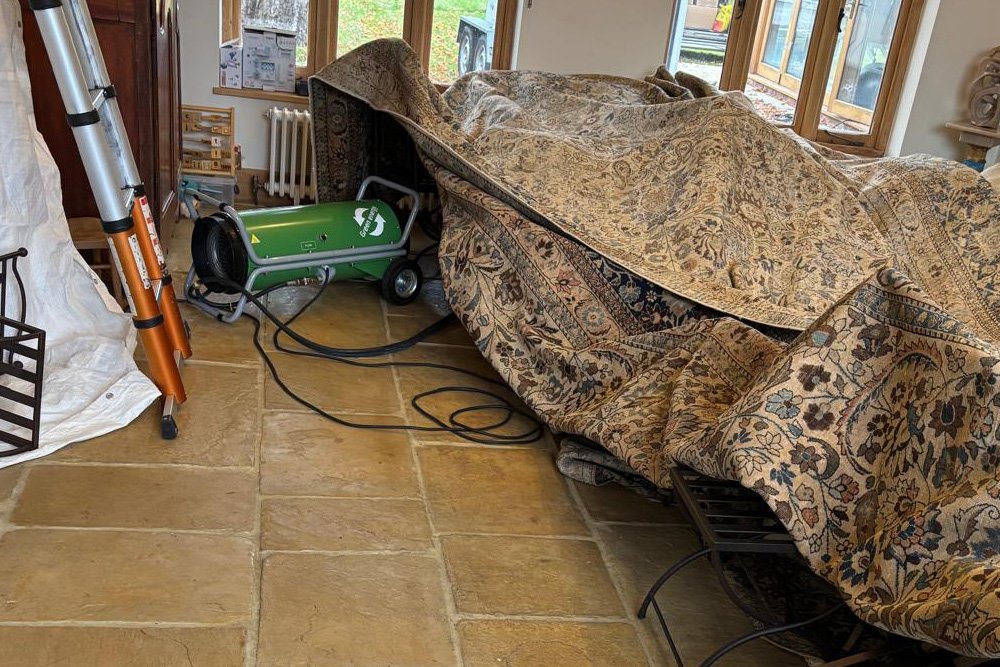
What Happens After Treatment
Once you’re back in your home, there’s very little to do. The bugs and their eggs will have been killed during the treatment, and because no chemicals have been used, you don’t need to clean surfaces or wash bedding before using your bedroom again.
It’s worth keeping an eye out over the following weeks — not because the treatment is likely to have failed, but because in rare cases a small number of eggs in an extreme hiding spot can survive, and catching any sign of activity early is always the right approach.
Bug Blitz by Destrodent provides professional bed bug heat treatment across the whole of Surrey, including Guildford, Woking, Farnham, Reigate, Camberley, Weybridge, Dorking, Cobham, Esher, Walton-on-Thames, Hersham, Epsom, and Redhill. Get in touch today for a free consultation.