
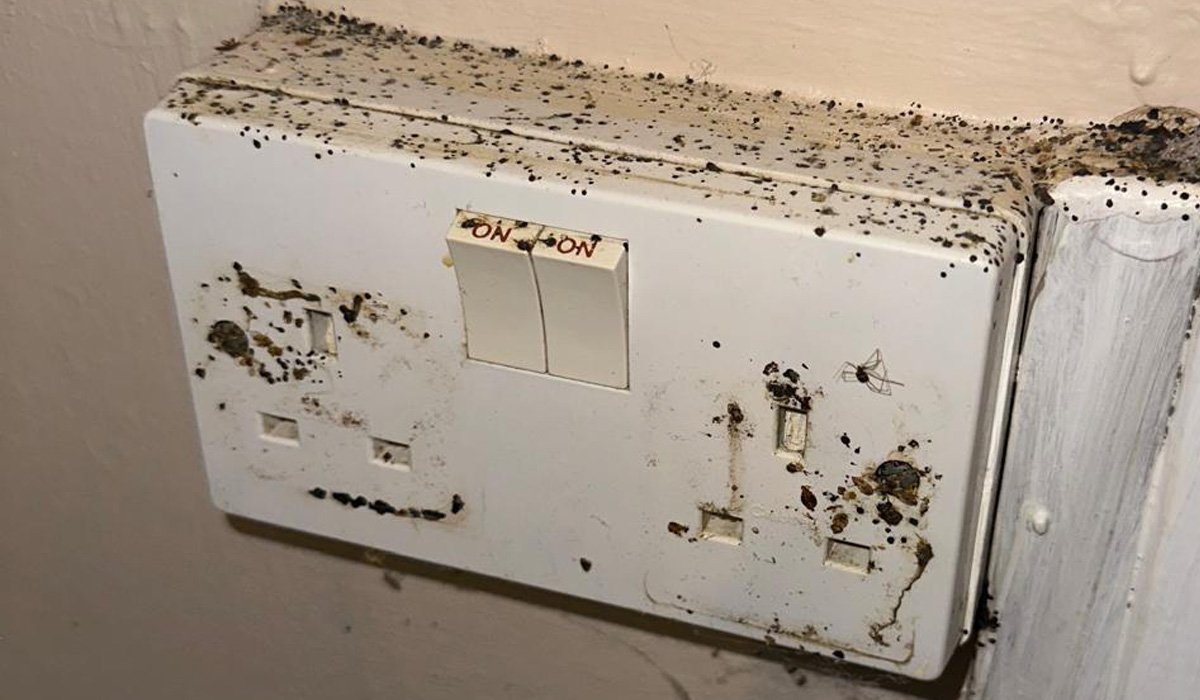

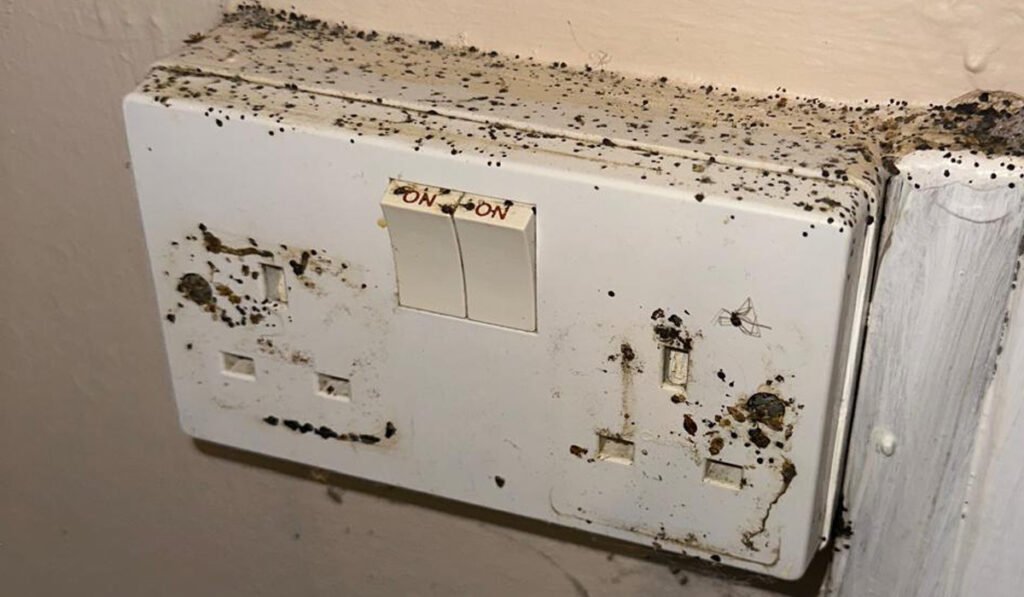
Yes.
Although it surprises many homeowners, electrical sockets can provide exactly the kind of shelter bed bugs are looking for.
They’re dark.
They’re rarely disturbed.
And they’re often located close to the bed.
That doesn’t mean every socket in your home is infested, but sockets near sleeping areas are certainly worth considering during an inspection.
Why would they choose a socket?
Bed bugs aren’t attracted to electricity.
They’re attracted to the tiny gaps around the faceplate and the protected void behind it.
Those narrow spaces allow them to remain hidden during the day before emerging to feed at night.
It’s another example of bed bugs choosing the structure of a room, rather than the object itself.
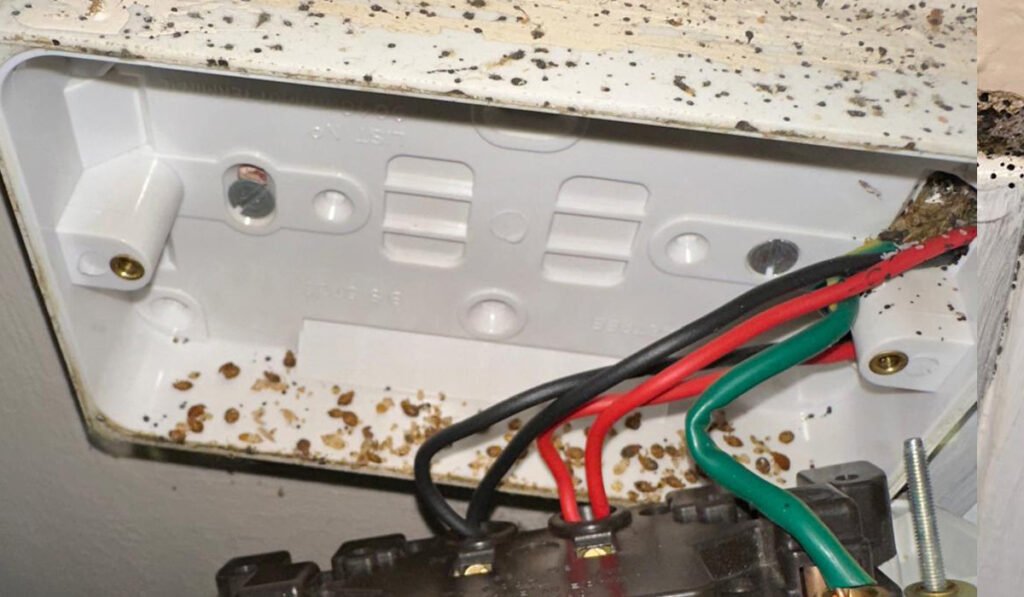
Which sockets should you pay attention to?
Focus first on sockets:
- Beside the bed.
- Behind the headboard.
- Close to upholstered furniture where people sleep.
- Near bedside cabinets.
A socket on the other side of the room is usually much lower on the inspection list.
Should you remove the faceplate?
Not unless it’s safe to do so and you know what you’re doing.
Electrical work carries obvious risks.
For most homeowners, it’s better to inspect around the socket for signs of activity rather than attempting to dismantle electrical fittings.
If a professional inspection is required, they can assess these areas safely as part of the overall investigation.
What signs might you notice?
Evidence may include:
- Black droppings around the edges of the socket.
- Live insects emerging from nearby gaps.
- Activity in surrounding cracks or skirting boards.
Remember, sockets are rarely inspected in isolation.
They’re considered alongside everything else happening around the bed.
🔍 Inspection Insight
One thing I’ve learnt is that people often become fascinated by unusual hiding places.
They’ll spend twenty minutes worrying about electrical sockets while completely overlooking the headboard directly above the bed.
Always investigate the most likely hiding places before moving on to the less common ones.
✅ What I’d Do Next
If a socket is close to an infested bed, include it in your inspection—but don’t let it distract you from the areas where bed bugs are most commonly found.
A logical inspection always starts with the bed and works outwards.
Related Guides
- Where Do Bed Bugs Hide During the Day?
- Signs of Bed Bugs in a Bed Frame
- Can Bed Bugs Live in Furniture?
- How to Check for Bed Bugs
Bed Bugs in Electrical Sockets FAQs
No. They’re attracted to the sheltered gaps around them, not the electricity.
No. Never spray products into electrical fittings unless the product is specifically approved and used according to its instructions. If you’re unsure, seek professional advice.
Start with sockets closest to where people sleep. They’re much more likely to be relevant than sockets elsewhere in the property.