

By Andy Miller, Lead Pest Controller, Bug Blitz
If you’ve got an established bed bug infestation, you’ll almost certainly need professional treatment. I know that’s not what most people want to hear. A very small, early infestation can sometimes be knocked back with careful cleaning, vacuuming and hot washes. But bed bugs are brilliant at hiding, and that’s what catches people out.
I’m Andy, lead pest controller at Bug Blitz. Most of my working week is spent inspecting homes for bed bugs and treating them with heat. Below are the questions customers ask me most, answered the way I’d answer them on the doorstep.
What Is the Best Way to Get Rid of Bed Bugs?
Treat the whole infestation, not just the bed. That’s the single biggest lesson I’d pass on.
Bed bugs can hide in:
- Mattress seams
- Bed frames
- Headboards
- Bedside tables
- Sofas and chairs
- Skirting boards
- Cracks in walls and floors
- Behind pictures and mirrors
- Electrical sockets
- Clothing and soft furnishings
A job we did in Woking shows why this matters. The family had confirmed bed bugs in two bedrooms of their six-bedroom house. I recommended we also treat the hallway, stairs, lounge and kitchen. Those are the busy areas where bed bugs hitch a ride on clothes, bags and furniture.
When we reviewed the house afterwards, we found dead bed bugs in both bedrooms and in the hallway. If we’d only treated the two rooms the family had spotted, the hallway would have kept the problem going.
If you already know you’ve got an infestation, you can read more about our professional bed bug heat treatment service.
Can I Get Rid of Bed Bugs Myself?
With a very small infestation, you might be able to reduce it yourself. I won’t pretend it’s easy, though.
Bed bugs breed, hide exceptionally well and scatter to other parts of the room when they’re disturbed.
The DIY methods I see people try most are:
- Washing bedding at a high temperature
- Tumble drying clothing and bedding
- Vacuuming mattresses and furniture
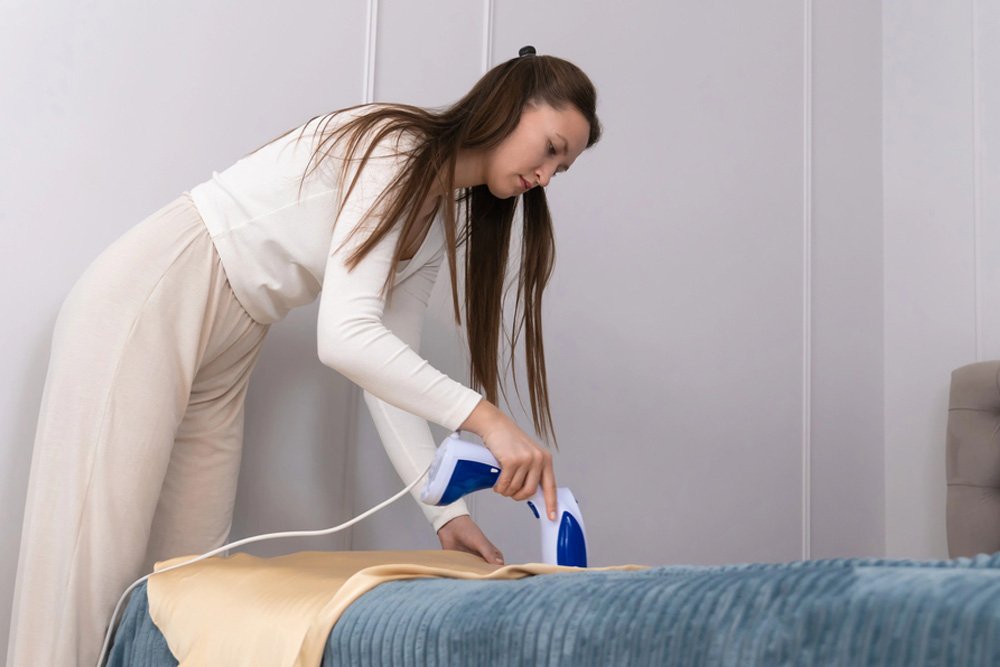
- Steam cleaning suitable surfaces
- Using mattress encasements
- Reducing clutter around the room
- Inspecting bed frames and furniture
- Using shop-bought bed bug treatments
All of these can help. On their own, they rarely finish the job. The pattern I see again and again is this. People kill the bed bugs they can see, think they’ve won, and miss the insects and eggs tucked away elsewhere in the house.
Does Washing Bedding Kill Bed Bugs?
A hot enough wash will kill bed bugs living in your bedding and clothes.
It won’t touch the ones hiding elsewhere in the room, though.
They may also be living in bed frames, headboards, furniture, carpets, skirting boards, and cracks and crevices. So think of washing as one part of the fight, not the whole of it.
One tip from experience: bag up bedding and clothes before you carry them out of an affected room. Otherwise you can drop bed bugs along the way and spread them into other rooms.
Does Vacuuming Get Rid of Bed Bugs?
Vacuuming picks up visible bed bugs, eggs and debris from mattresses, floors and furniture.
If you’re going to do it, pay particular attention to:
- Mattress seams
- Bed frame joints
- Around skirting boards
- Under furniture
- Carpet edges
- Cracks and gaps
But I’ve never seen vacuuming clear an established infestation on its own. When you’ve finished, seal and bin the vacuum contents straight away so survivors can’t crawl back out.
Do Bed Bug Sprays Work?
Some sprays will kill a bed bug if they hit it directly. The hard part is hitting every one. An infestation often reaches well beyond the mattress, and bed bugs squeeze into gaps a spray simply won’t reach.
I’m often called out after someone’s been spraying shop-bought products for weeks. Sometimes that’s made things harder, because the bed bugs have moved away from the treated areas and spread further around the property.
If you’ve been spraying and you’re still finding bites, spotting or live insects, it’s time to call someone in.
What Temperature Kills Bed Bugs?
Bed bugs can’t survive sustained high heat. Professional heat treatment raises the temperature in the affected area to a level they can’t survive. Unlike a spray, heat gets into cracks, furniture and hiding places. We monitor the temperature throughout so we know the heat is reaching every part of the room. Getting that right takes work.
On the Woking job, we heated the upstairs for six hours on day one and the downstairs for six hours on day two. Every two hours, our team moved furniture, bedding and belongings around so there were no cold spots. The family had a well-stocked bookshelf, so we asked them to open each book and stand it on its end to let the heat through the pages.
That’s a long way from turning up your central heating.
Please don’t try to recreate heat treatment yourself with domestic heaters, ovens or anything improvised. The risk of fire, damage and injury is real.
Should I Throw My Mattress Away?
Usually, no. Finding bed bugs doesn’t mean your mattress, bed or furniture has to go.
Bed bugs often live around a mattress rather than inside it. Getting rid of furniture doesn’t get rid of the infestation. Carrying an infested mattress through the house can also spread bed bugs into rooms that were clear.
With professional treatment, beds, mattresses and furniture can usually stay put. If something is badly damaged or heavily infested, I’ll tell you honestly whether it’s worth keeping.
How Do I Know Whether I Have Bed Bugs?
These are the signs I look for on an inspection:
- Live bed bugs
- Small dark marks on mattresses or bedding
- Blood spots on sheets
- Shed skins
- Small pale eggs
- Bites appearing overnight
- An unusual sweet or musty smell in heavier infestations
Bites on their own don’t prove you’ve got bed bugs. Other insects and some skin conditions can look very similar.
I was called to a rural property near Shere, outside Guildford, where the customer was convinced she had bed bugs. She was being bitten, and she was worried. I surveyed the house thoroughly and found no evidence of bed bugs at all.
She had two dogs, though, and foxes are common round there. Fleas can pass from foxes to dogs and from dogs into the home. So rather than sell her a heat treatment she didn’t need, I suggested a professional residual insecticide with an insect growth regulator (IGR). I advised her to give it two to three weeks and see if the bites stopped before considering anything else.
That’s why an inspection comes first. If you’re not sure what’s biting you, get someone to look
before you spend money on treatment.
Where Should I Look for Bed Bugs?
Start where people sleep.
These are the places I check first:
- Your mattress: look closely at seams, piping, labels and folds.
- The bed frame: check joints, screw holes and gaps within the frame.
- The headboard: bed bugs frequently hide behind or inside headboards.
- Nearby furniture: inspect bedside tables, drawers, sofas and chairs.
- Skirting boards: look along gaps where walls, carpets and flooring meet.
- Soft furnishings: curtains, cushions and upholstered furniture may also provide hiding places.
The bigger an infestation gets, the further from the bed they’ll travel. In Woking, the hallway was just as important as the bedrooms.
Why Do Bed Bugs Keep Coming Back?
When bed bugs seem to come back, it’s usually because some of the original infestation survived.
The usual reasons are:
- Eggs surviving an incomplete treatment
- Hidden bed bugs being missed
- Treatment not reaching all affected areas
- Bed bugs spreading into neighbouring rooms
- Reintroduction from luggage, clothing or furniture
That’s why I spend time working out how far an infestation has spread before we treat anything.
Treating just the mattress often fails. The bed bugs were never only in the mattress.
How Long Does It Take to Get Rid of Bed Bugs?
It depends on:
- The size of the infestation
- The number of rooms affected
- How long the infestation has been present
- The type of property
- The treatment method being used
A small infestation caught early is much easier to deal with than one that’s had time to spread through several rooms.
Heat treatment works intensively over a short period. The Woking house had six bedrooms, so we split the treatment over two days, one floor at a time. A smaller property or a single room can often be done more quickly, but I’ll always set out the plan for your property before we start.
Is Bed Bug Heat Treatment Effective?
Heat treatment is one of the methods professional pest controllers use to deal with bed bugs, and it’s the one I use most.
Instead of relying on insecticide hitting each insect, our equipment raises the temperature throughout the treatment area.
The aim is to expose bed bugs at every stage of life, eggs included, to temperatures they can’t survive. That includes the ones hiding inside furniture and in awkward spots.
Heat is the backbone of our work at Bug Blitz. It lets us treat the whole room or property in one go.
It isn’t always the answer, though. As the Shere job showed, if there are no bed bugs, I won’t recommend a bed bug treatment.
Do I Need to Leave the Property During Treatment?
People and pets need to stay out of the area being treated.
That doesn’t always mean leaving home for the whole job. In Woking, the house was big enough for the customer to stay downstairs while we treated upstairs. They then went out for the day while we did the downstairs.
Some items also need moving or preparing beforehand. On that job, the customer cleared out things like fresh food left out, candles, aerosols, wine, medication, make-up, oil paintings and musical instruments. Their pets went too, fish included. Dried food in the kitchen cupboards could stay where it was.
We’ll give you clear preparation instructions before we arrive. Please follow them. Good preparation makes a real difference to how well the treatment works.
What Should I Do If I Think I Have Bed Bugs?
First, try not to panic. And please don’t start moving furniture from room to room.
Here’s what I’d do instead:
- Inspect the mattress and bed frame.
- Look for live insects, spotting, skins or eggs.
- Keep potentially affected bedding bagged up.
- Avoid moving furniture into other rooms.
- Vacuum visible insects where practical.
- Call a bed bug specialist if the problem continues or you find clear evidence of an infestation.
The earlier we catch it, the easier it is to sort out.
When Should I Call a Professional Bed Bug Exterminator?
Give us a call if:
- You’ve found live bed bugs.
- You keep getting bitten.
- DIY treatments haven’t worked.
- Bed bugs are turning up in several areas.
- The infestation has been going for several weeks.
- You run a hotel, HMO, rental property or other commercial premises.
- You need the problem dealt with quickly.
An inspection will also tell you whether it really is bed bugs. Sometimes, like in Shere, it isn’t.
Professional Bed Bug Treatment from Bug Blitz
Bug Blitz, part of Destrodent, provides specialist bed bug control and heat treatment for homes, landlords, hotels, HMOs and commercial properties. My approach is simple. Find out how far the infestation has spread, then treat everywhere the bed bugs are actually hiding, not just where you’ve seen them.
If you’ve found bed bugs or think you might have them, visit our Bed Bug Heat Treatment page to see how the process works, or get in touch and talk it through with us.